


Tool theft may not grab the headlines like headline burglaries or vehicle hijacks, but its impact is real, and it is growing. For many tradespeople, losing tools is not just the loss of equipment: it’s a threat to their entire livelihood.
The stats of stolen tools
To fully grasp the scale of the problem, here are some of the most recent and sobering figures:
- In 2024, 25,525 tool thefts were reported across the UK, with a tool theft being recorded every 21 minutes on average.
- The total value of those stolen tools in 2024 is estimated at £40 million.
- Almost half (12,414) of those thefts in 2024 involved tools stolen from vehicles.
- Many tradespeople are feeling the psychological burden: 86% now worry about tool theft, up from 80% in 2022.
- Among UK builders, more than three quarters (83%) say they have been victims of tool theft in their working life.
- The average loss in a single theft incident is not insignificant: among builders surveyed, losses tend to run at £2,500 on average.
- Public concerns are rising too. Over half of brits (52%) believe sentencing for tool theft is too lenient.
These numbers show that while some reduction was reported year on year in 2024 (an 18% fall in reports), the crime remains widespread and deeply felt.
London in particular, is facing its own crisis:
- Tool thefts from vans in London have soared by 70% over the past four years.
- In 2024, 9,559 thefts of tools from vans were recorded in the London area, with losses reaching £11 million.
- A large share of tool thefts occurs because of very basic security lapses: 47% of thefts from vehicles are caused by the vehicle door not being locked.
Why tools are attractive targets
Understanding what makes your tools vulnerable helps identify where you can strengthen defences. Some of the drivers behind tool theft include:
- Ease of resale: Many tools are generic, portable, and in demand. Whether drills, saws, angle grinders or nail guns, a well used tool can be resold quickly, especially in secondhand markets.
- Poor or minimal security: Most thefts are opportunistic: unlocked doors, windows ajar, or tools left in clear view invite trouble.
- Inconsistent recording and enforcement: Not all police forces categorise tool theft in the same way. This inconsistency can make trend tracking and dedicated policing harder.
- Dark winter months: The winter months often see spikes in tool thefts – fewer daylight hours, more opportunity to work unseen.
- Lack of traceability: Many tools are unmarked, making it difficult for police to trace them or for owners to prove ownership.
Proactive measures: how to protect your tools
No measure is fool-proof, but combining layers of security will greatly reduce your risk. here’s a compendium of best practices:
- Reduce what you leave in your vehicle: Whenever possible, remove tools overnight from vans, trailers, or vehicles. only leave in your van what you absolutely must. the fewer attractive items inside, the less incentive for a break in.
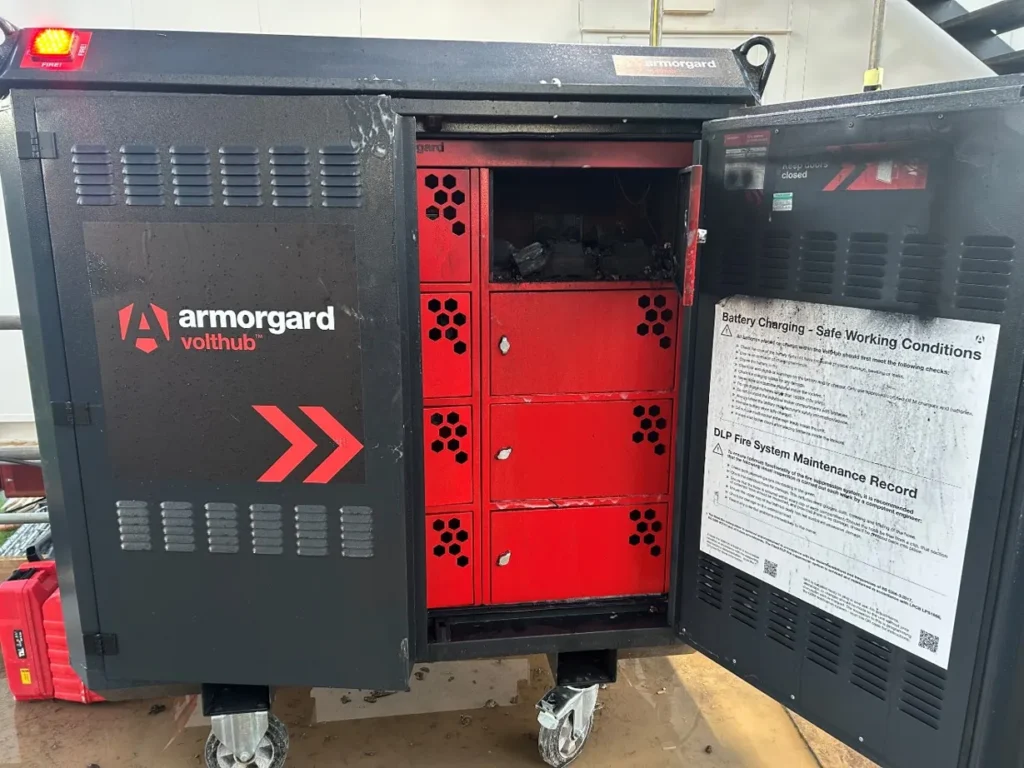
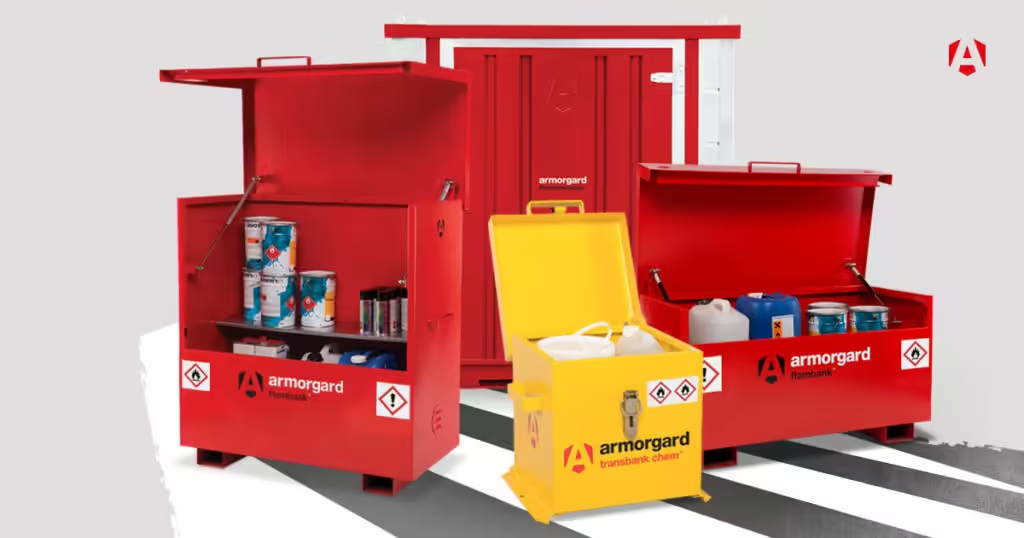
- Use robust storage solutions and safes: Fit a tool safe within your van or premises. Choose safes built to resist prising, drilling or impact. Invest in heavy duty, lockable toolboxes, mobile tool vaults, or secure on site storage units.
- Mark your tools: Mark your tools unmistakably with your name, company name, or unique identifiers. Clearly marked tools are less desirable to thieves and easier to trace if recovered. Register your tools in a national property register, photograph them, and keep serial numbers. Why not try one of the many free tool marking events around the UK?
- Alarms, trackers, and smart deterrents: Fit alarms or security systems in your vans or storage units. use GPS trackers or tool trackers on high value items. use CCTV or visible surveillance around parking and storage areas to deter intruders.
- Secure parking and site planning: Park smart: choose well lit, busy, and ideally monitored locations rather than secluded cut outs. when parking overnight, park with your van’s rear doors against a wall or hedge. if working overnight on site, consider securing tools in locked containers, site cabins, or locked fenced zones.
- Administrative safeguards: Maintain an up-to-date inventory. insure your tools and ensure your policy covers theft from vehicles. report thefts immediately while the trail is fresh. lobby for stronger penalties, better recording, and tougher enforcement.
The wider impact: beyond the cost of tools
Tool theft is not just about losing a set of tools. The deeper consequences can be far more damaging. Many tradespeople face immediate lost earnings, as work grinds to a halt until replacements arrive. In fact, in 2023, the average reported loss of earnings following tool theft was £1,836. Deadlines may be missed and contracts unfulfilled, leading to damaged reputations and strained client relationships. The emotional toll is significant too, with tradespeople often left feeling anxious about leaving vans unattended and uncertain about the future of their business. On top of this, insurance claims can result in higher premiums or even refusal of cover, creating a long-lasting financial burden.
What can you do now?
- Assess your current security level
- Start with the easiest wins: always lock the van, never leave tools in clear view, mark your tools
- Gradually upgrade: get safes, alarms, CCTV, trackers
- Document everything. serial numbers, photos, records – store them separately
- Collaborate: share knowledge with other tradespeople, ask your local police for advice
- Stay informed of developments in legislation
- Spread awareness: the more trade owners are alert, the stronger the collective defence
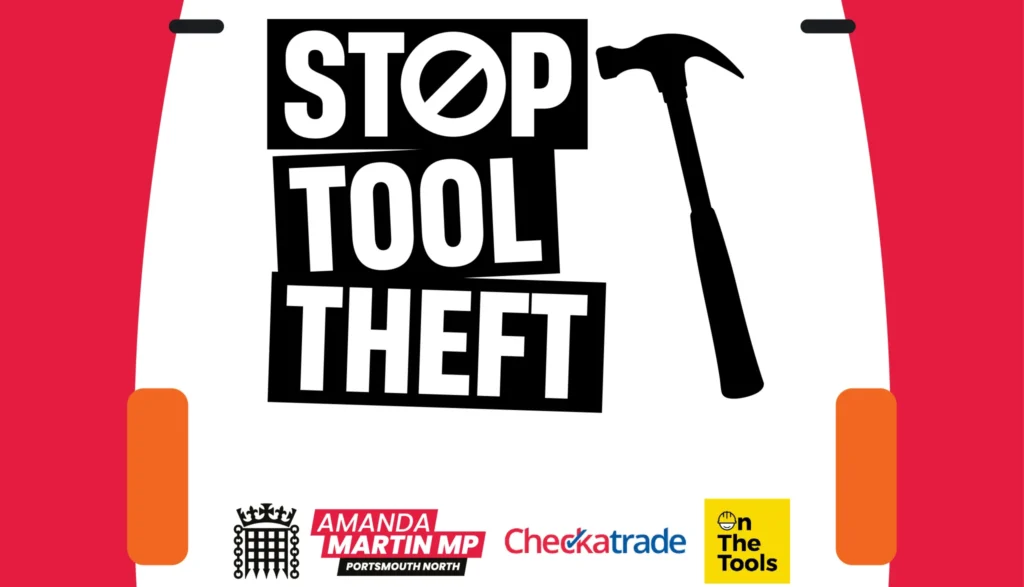
Amanda Martin MP said:
“For too long, the justice system has failed to recognise the true impact of these crimes, the destruction of livelihoods, mental health impacts, and business disruption that follows. The construction industry has the highest suicide rate of any profession in the country – around four times higher than any other occupation. When someone’s tools are stolen, they don’t just lose equipment; they lose their ability to earn, support their families, and maintain their mental wellbeing.”
Whilst the 2025 sentencing bill makes strides towards how tool crime is dealt with, there is still a journey ahead to protect tradespeople across the UK. With diligence, layered security, marking systems, and community effort, we can make it much harder for thieves to strike.
For more guidance and access to robust storage solutions designed to protect your livelihood, get in touch with Armorgard today. Together, we can help safeguard your tools and keep your business moving forward.
023 8202 4583