


Every 23 minutes, a van is broken into in the UK. For tradespeople, that can mean thousands of pounds lost in tools, downtime on jobs, and the hassle of dealing with insurers. Your van isn’t just a vehicle; it’s your mobile workshop, livelihood, and most vulnerable asset.
Tool theft is a real and rising threat. But with the right precautions, you can dramatically reduce your risk. This guide lays out practical, cost-effective steps to keep your tools and vehicle secure.

Why Van Tool Theft Is a Serious Threat
Van tool theft isn’t random. Thieves target vehicles they know are likely to carry high-value equipment, especially overnight or in poorly lit areas. Most thefts are opportunistic; unlocked doors, poorly parked cars, or easily picked locks give criminals a quick win.
How Common is Tool Theft?
Tool theft is widespread. In many urban areas, it’s become one of the most reported crimes affecting tradespeople. Thousands of thefts go unreported, and owners struggle to prove ownership even when tools are recovered.
How Do I Stop My Van Tools From Being Stolen?
Below is a practical checklist of van security measures ranked by ease and estimated cost.
| Task | Difficulty Rating | Cost |
| Lock van and close windows | Very easy |
£0 |
| Park your van tightly in a corner | Easy |
£0 |
| Park your van in a bright, well-lit area | Average |
£0 – £100 |
| CCTV | Difficult |
£100 – £400 |
| Van stickers | Easy |
£10 |
| Remove tools overnight | Average |
£0 |
| Keep receipts and an inventory of your tools | Average |
£0 |
| Mark tools with a UV pen | Easy |
£5 – £10 |
| Alarms | Alarms |
£200 |
| Advanced locks | Average |
£20 – £350 |
| Van lock protection plates | Average |
£350 – £450 |
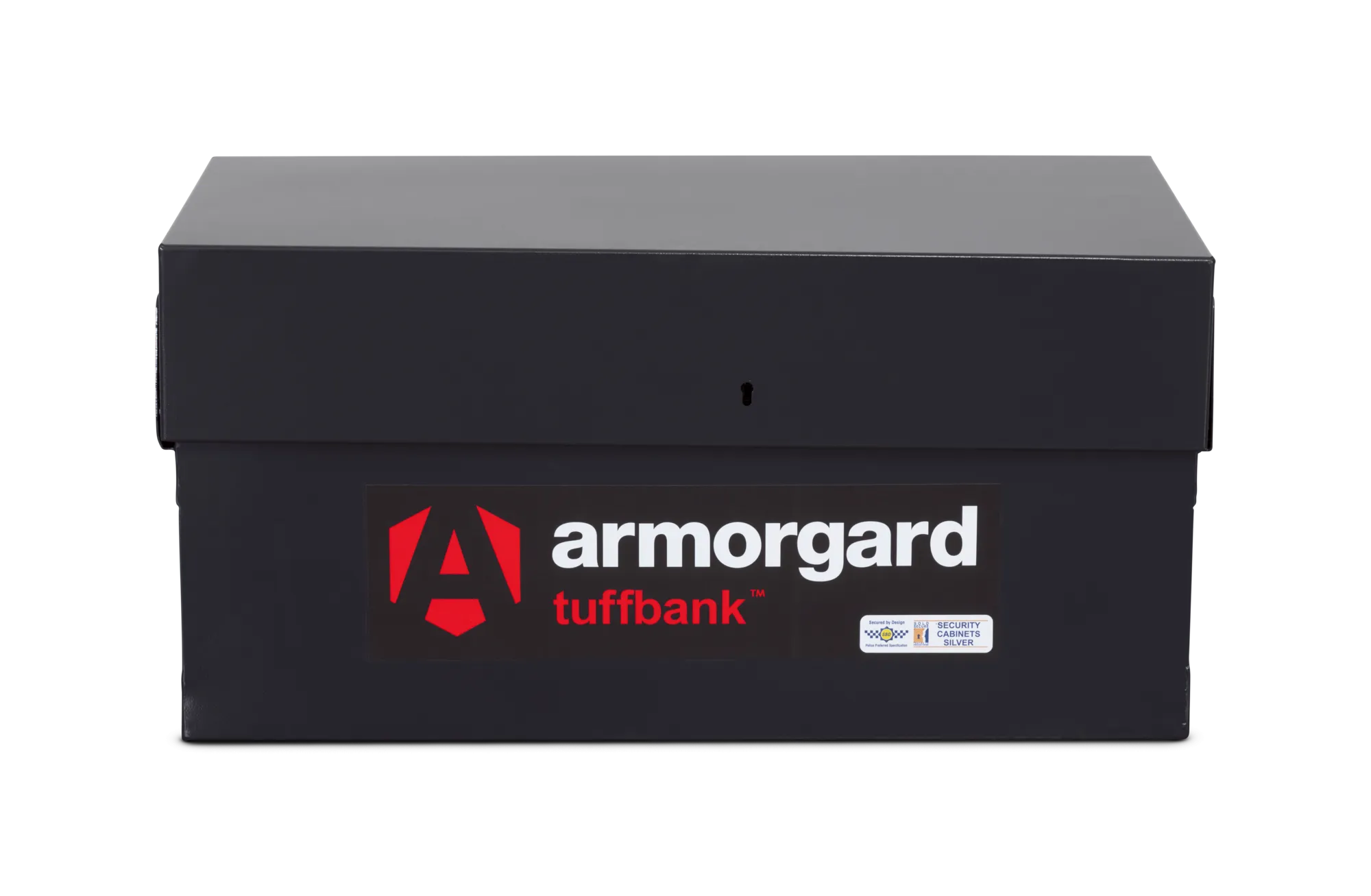
| Van box | Easy |
£150 |
| Insurance | Average |
£100 – £200 p/a |
Simple actions like locking doors, removing expensive gear overnight, or parking next to a wall can make a huge difference. For higher-risk areas, investing in security systems and advanced locks is essential.
Are Van Deadlocks Worth It?
Deadlocks provide a powerful layer of protection. Unlike factory locks, deadlocks use a manual key to activate a bolt, making them far harder to pick or force open. When combined with anti-drill plates, they’re among the most secure options available.
Slamlocks vs Deadlocks
- Slamlocks lock automatically when you shut the door. Ideal for delivery drivers who need speed.
- Deadlocks require a key to lock and unlock. Better for overnight security or when parked for long periods.
Both can be keyed alike to reduce hassle. We recommend using professional installers or trusted providers like Van Lock Store.
What Is the Best Camera for Van Security?
Installing CCTV around your van, either on your home or built into the vehicle, can help deter thieves and provide critical evidence if a theft occurs.
Home CCTV
- Mount a floodlight with motion sensor for visibility
- Add HD cameras with remote access (e.g., SWANN, Ring)
In-Van CCTV
- In-vehicle systems from specialists like The Vehicle Group
- Dashcams with interior recording and GPS tracking
Ensure cameras are mounted high and out of reach. Choose systems with cloud storage or instant alerts to your phone.
What to Do If Your Tools Are Stolen
If you become a victim of tool theft, act fast:
- Report to the police immediately. Include CCTV footage or evidence.
- Notify your insurance provider. Some policies require a claim within days.
- Search local second-hand shops (e.g., Cash Converters) and car boot sales.
- Watch online marketplaces like eBay, Facebook Marketplace, and Gumtree.
- Check police databases (many use Flickr to post photos of recovered items).
- Post your stolen tools online with photos and hashtags (#vantheft, #stolentools).
- Join community groups like Tradesmen Against Thieves on Facebook.
The quicker you act, the better your chances of recovery.
Final Tips and Trusted Resources
- Review your insurance cover to understand what is and isn’t protected.
- Use trusted suppliers for locks, alarms, and van boxes.
- Speak to insurance brokers for tailored protection.
Remember: most tool theft is preventable. With a few smart investments and daily habits, you can reduce your risk and protect your business.