

Safe storage starts with the right solution. Hazardous goods such as chemicals, fuels, and gas cylinders require careful management to reduce risk and meet COSHH requirements. This blog outlines best practice storage guidelines, highlights common safety pitfalls, and explores how purpose-built storage solutions can help protect your workforce, your site, and the environment.
Handling hazardous goods requires careful planning and strict control. Chemicals, fuels, and other dangerous substances can pose serious risks to people, property, and the environment if stored incorrectly.
Safe storage is not only a legal obligation under COSHH regulations but also an essential part of workplace safety. Organisations that manage hazardous materials responsibly reduce the risk of accidents, protect their staff, and stay in line with health and safety requirements.
Why Safe Storage Is Important
Improper storage of hazardous goods can lead to serious incidents. Fires, chemical spills, and toxic vapours are common risks when safety protocols are ignored. Businesses can face fines, legal action, or operational disruption if they fail to manage these risks effectively.
Proper storage protects employees and visitors while ensuring that the materials are ready for safe use. Planning and implementing effective storage solutions also improves efficiency, as materials are easier to locate and handle.
In addition, well-organised storage contributes to staff confidence. Workers are more likely to follow safety procedures when materials are stored logically and clearly. This reduces mistakes, improves productivity, and helps maintain a professional workplace culture.
Essential Guidelines for Safe Storage
To store hazardous goods safely, consider the following principles:
- Store materials in purpose-built containers or cabinets that are suitable for the type of chemical or fuel.
- Keep incompatible substances separate to prevent reactions.
- Ensure storage areas are ventilated to avoid vapour build-up.
- Limit the quantities kept indoors and always label containers clearly. Access should be restricted to trained personnel.
Routine inspections help maintain safety. Check for leaks, corrosion, or damaged seals. Make sure spill containment measures are in place and operational. Record every inspection to comply with legal requirements and provide documentation for audits.
Adding small practical measures such as secondary containment trays, non-slip flooring, and clearly marked emergency exits can make a significant difference. These steps reduce risk in everyday handling and ensure compliance with regulations.
Hazardous Goods Storage Solutions
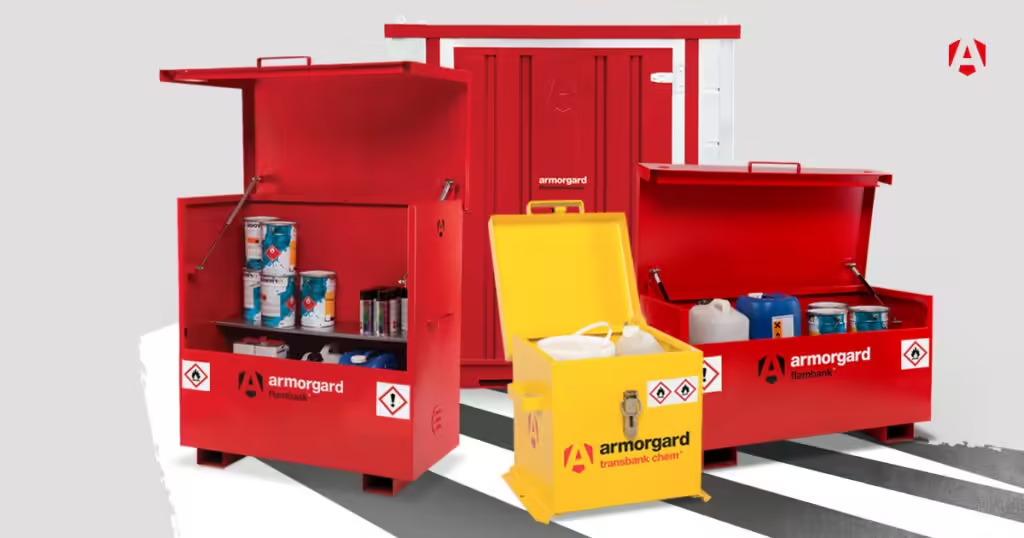
Armorgard offers a range of storage products designed specifically for hazardous goods. Each unit meets or exceeds COSHH standards, providing secure, reliable, and compliant storage.
- DrumBank™ – storage for large drums and IBCs with integrated spill containment
- FlamBank™ – designed for flammable liquids and materials
- ChemBank™ – secure chemical storage for indoor or outdoor use
- TransBank™ – portable storage for smaller quantities of hazardous substances
- Gorilla Gas Cage™ – modular cages for safe storage of gas cylinders
These solutions focus on safety, fire resistance, and ease of use. Choosing the right unit depends on the type of goods being stored, volume, and location requirements. Careful selection ensures that materials remain secure and compliant, even in high-use environments.
Planning and Layout
Effective storage is about more than the cabinets themselves. The layout of your storage area plays a key role in maintaining safety.
Keep units away from high-traffic areas and ignition sources. Ensure that walkways remain clear. Place spill kits and protective equipment nearby. Separate chemicals by type, and ensure clear signage identifies hazards and storage zones.
Planning also involves considering emergency access. Ensure fire extinguishers, eyewash stations, and emergency exits are accessible and unobstructed. When using outdoor storage, position units to reduce exposure to harsh weather and maintain ease of access for inspections or delivery of materials.
Handling and Maintenance
Regular handling procedures and maintenance are critical for safe hazardous goods storage.
- Train staff in correct handling techniques, emergency procedures, and personal protective equipment use
- Inspect containers and cabinets for damage or leaks
- Replace worn or expired storage units promptly
- Maintain ventilation and check that control systems operate correctly
Keeping records of all training and inspections is essential for compliance. It also supports continuous improvement in workplace safety. Encouraging staff to report minor issues before they escalate ensures that storage areas remain safe and functional at all times.
Environmental Considerations
Storage of hazardous goods has an environmental impact if spills or leaks occur. All storage solutions should include spill containment, and waste chemicals must be disposed of through licensed contractors. Avoid releasing substances into drains, soil, or watercourses.
Choosing units that meet COSHH requirements helps protect the environment while maintaining workplace safety. Storing materials in appropriate units also minimises the risk of contamination during handling or transport, which is important for both compliance and corporate responsibility.
Common Storage Mistakes
Many incidents result from simple mistakes. Avoid these errors:
- Storing incompatible chemicals together
- Using inappropriate or damaged containers
- Blocking ventilation or access routes
- Failing to label substances correctly
Paying attention to small details such as maintaining clear aisle space, keeping containers upright, and regularly checking safety signs can prevent the most common incidents. Simple improvements in organisation and awareness often make the biggest difference.
Final Thoughts
Managing hazardous goods effectively protects people, property, and the environment. Using purpose-built storage units, planning your layout carefully, enforcing proper handling procedures, and maintaining regular inspections are all essential steps.
Armorgard provides a wide range of storage solutions to meet diverse needs. Options such as DrumBank™, FlamBank™, and ChemBank™ allow businesses to store chemicals, flammables, and gases safely and compliantly. By following these practices, organisations can ensure that these goods are secure, accessible, and managed responsibly. Investing time in proper storage reduces risk, improves operational efficiency, and helps maintain compliance with health and safety legislation.
You can explore the full range of secure storage solutions for hazardous goods and ensure your site meets all safety requirements. Visit Armorgard’s product range or contact our team today for expert advice.