

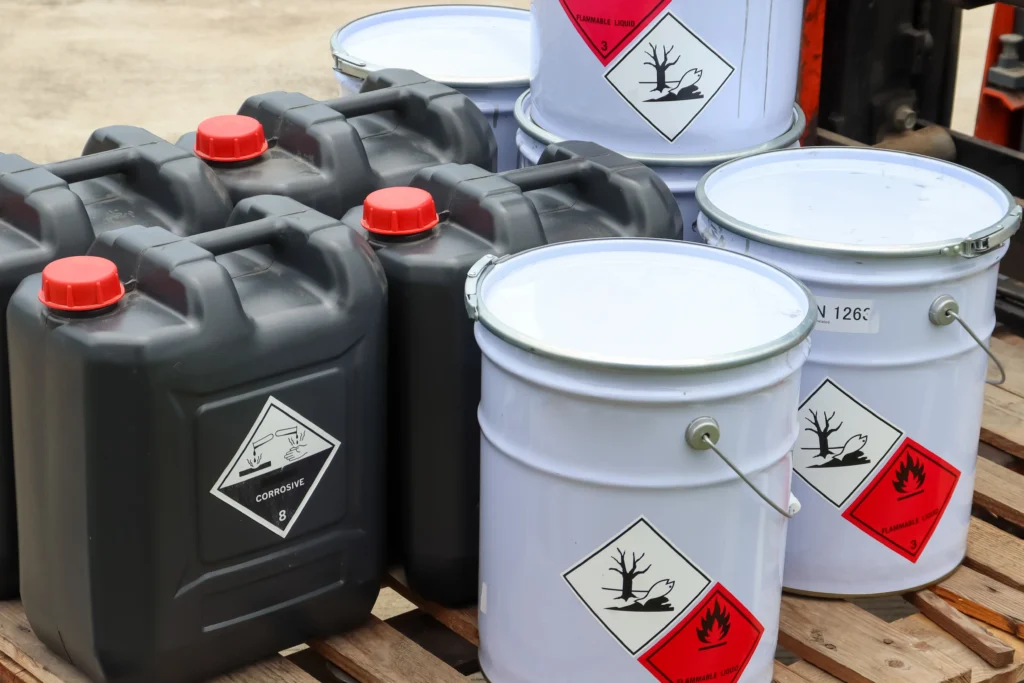
Hazardous waste is part of daily operations in many industries. These materials can harm the environment and put human health at risk if they are not handled properly. Because of this, the UK has strict rules on how hazardous waste must be stored, transported, and disposed of.
If it isn’t managed correctly, the consequences are serious. Businesses face fines, reputational damage, and risks to staff safety. Following the right process ensures you meet legal obligations, protect your workforce, and reduce environmental harm.
This guide explains what counts as hazardous waste, the regulations you need to know, and the safe disposal methods that keep your business on the right side of the law.
What is Hazardous Waste?
Hazardous waste is any material that can cause harm to people or the environment if not managed properly. In the UK, waste is classed as hazardous if it contains substances that are toxic, corrosive, flammable, or otherwise dangerous to handle.
Common examples include:
- Asbestos from demolition or refurbishment work
- Solvents, paints, and adhesives from construction and manufacturing
- Oils, fuels, and lubricants used in vehicles and machinery
- Pesticides and other chemicals used in agriculture
- Batteries, fluorescent tubes, and electrical equipment containing hazardous substances
Even waste that looks harmless can fall under these rules. For example, packaging contaminated with chemicals must also be treated as hazardous. That’s why all waste should be assessed and classified before disposal.
Why Hazardous Waste Disposal Matters
Disposing of hazardous waste incorrectly can lead to:
- Legal action: Breaches of duty of care can result in prosecution and heavy fines.
- Safety risks: Poor handling exposes staff, contractors, and the public to harm.
- Environmental damage: Leaks and spills pollute land, water, and air.
- Loss of trust: Clients and regulators expect responsible waste management.
Correct disposal avoids these risks and shows that your business takes safety and compliance seriously.
Hazardous Waste Regulation in the UK
In the UK, environmental law sets out how hazardous waste is handled. The main framework is the Environmental Permitting Regulations 2016, which cover how hazardous waste must be stored, transported, and treated. Employers must also comply with the Control of Substances Hazardous to Health (COSHH) Regulations, which focus on the safe use and management of chemicals in the workplace.
Key requirements include:
- Waste classification: All hazardous waste must be assessed and given the correct code before disposal.
- Secure storage: Waste must be stored to prevent leaks, spills, or mixing with non-hazardous waste.
- Consignment notes: Every movement of hazardous waste must be recorded with a consignment note that tracks where the waste came from and where it is going.
- Licensed carriers: Only registered waste carriers can transport hazardous materials, and they must take them to an authorised site.
- Duty of care: Businesses remain legally responsible for their waste, even after it has left their premises.
The Environment Agency regulates hazardous waste in England, with similar bodies covering Scotland, Wales, and Northern Ireland. Failing to meet these requirements can lead to prosecution and heavy fines.
The Four Types of Hazardous Waste
Hazardous waste is classified by the risks it poses. In the UK, four main categories are used:
- Toxic waste: Substances that can poison people or wildlife, even in small amounts. Examples include pesticides, contaminated packaging, and some industrial chemicals.
- Flammable waste: Materials that can easily catch fire or explode. This includes solvents, fuels, and certain aerosols.
- Corrosive waste: Substances that can burn or damage skin, equipment, and structures. Common examples are acids, alkalis, and cleaning agents.
- Reactive waste: Materials that can become unstable and cause dangerous reactions when exposed to heat, pressure, or other substances. Some chemical by-products fall into this group.
Understanding the type of hazardous waste you are dealing with is the first step to deciding how it should be safely stored, transported, and disposed of.
How to Dispose of Hazardous Waste Safely
The main steps are:
Identify and classify the waste
Determine whether the material is hazardous and assign the correct waste code. This ensures it is handled under the right regulations.
Store and segregate securely
Keep hazardous waste separate from general waste. Use sealed, durable containers that prevent leaks and clearly indicate the contents.
Label correctly
Containers must carry the right hazard symbols and descriptions so anyone handling them knows the risks.
Arrange licensed collection
A registered waste carrier can only transport hazardous waste to an authorised treatment or disposal facility.
Keep consignment documentation
A consignment note must accompany every movement of hazardous waste. Businesses should keep copies as proof of compliance.
Following these steps helps ensure hazardous waste is managed responsibly from when it is produced to its final treatment or disposal.
How to Dispose of COSHH Waste
Some hazardous waste falls under the Control of Substances Hazardous to Health (COSHH) Regulations, which set out how chemicals and other harmful substances must be managed in the workplace. COSHH waste often includes solvents, cleaning agents, adhesives, paints, and other chemical products.
To dispose of COSHH waste safely:
- Assess the risk: Identify the hazards linked to each substance and make sure safety data sheets are available.
- Use proper containers: Store waste in sealed, compatible containers that prevent leaks or dangerous reactions.
- Keep waste segregated: Do not mix chemical waste with general waste or with other types of hazardous waste, as this can create safety risks.
- Arrange licensed disposal: COSHH waste must only be collected and treated by carriers and facilities authorised to handle hazardous chemicals.
- Maintain records: Keep documentation to prove compliance with up-to-date COSHH and environmental regulations.
By following these steps, businesses can stay within the law, protect staff, and reduce the risk of chemical spills or exposure.
Best Practices for Businesses
Meeting the legal requirements for hazardous waste disposal is the baseline, but good practice goes further. Businesses that manage hazardous waste well build safer workplaces and stronger reputations.
Key practices include:
- Staff training: Make sure employees understand how to identify, store, and handle hazardous waste safely.
- Choosing the right contractors: Work only with licensed carriers and disposal facilities. Check credentials and keep a record of compliance.
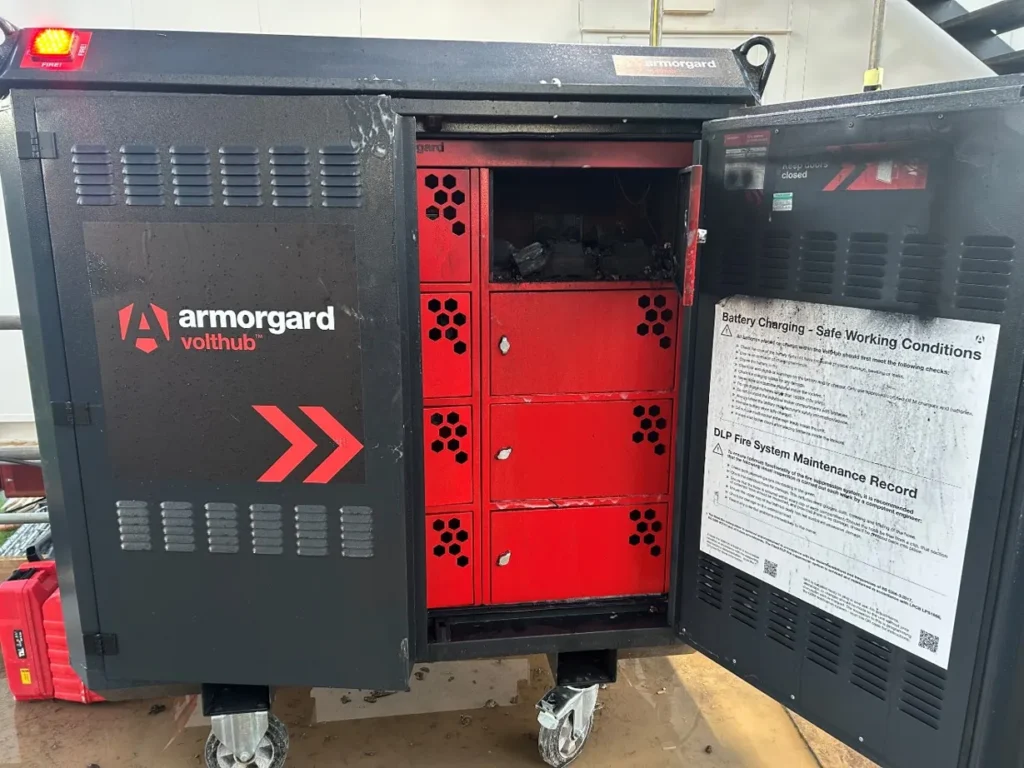
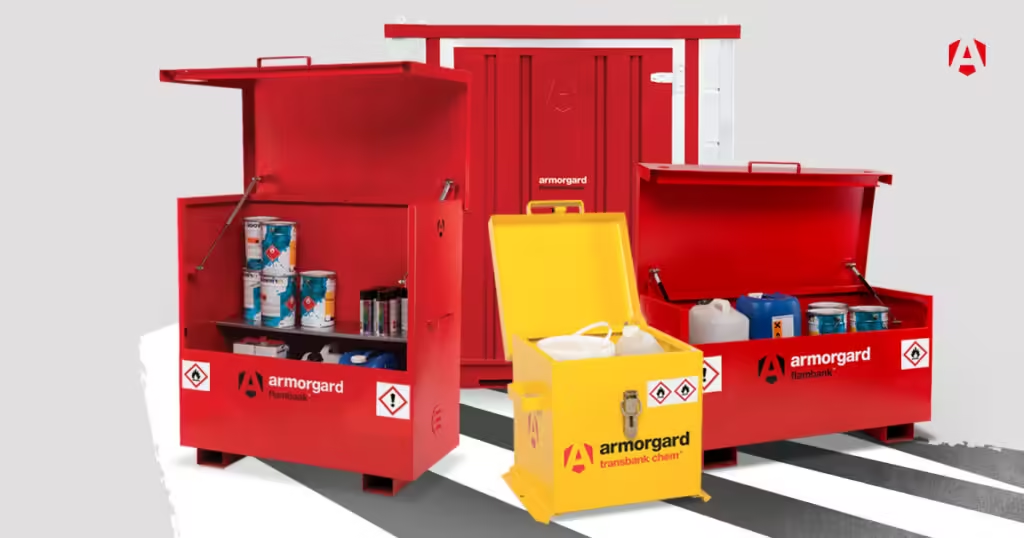
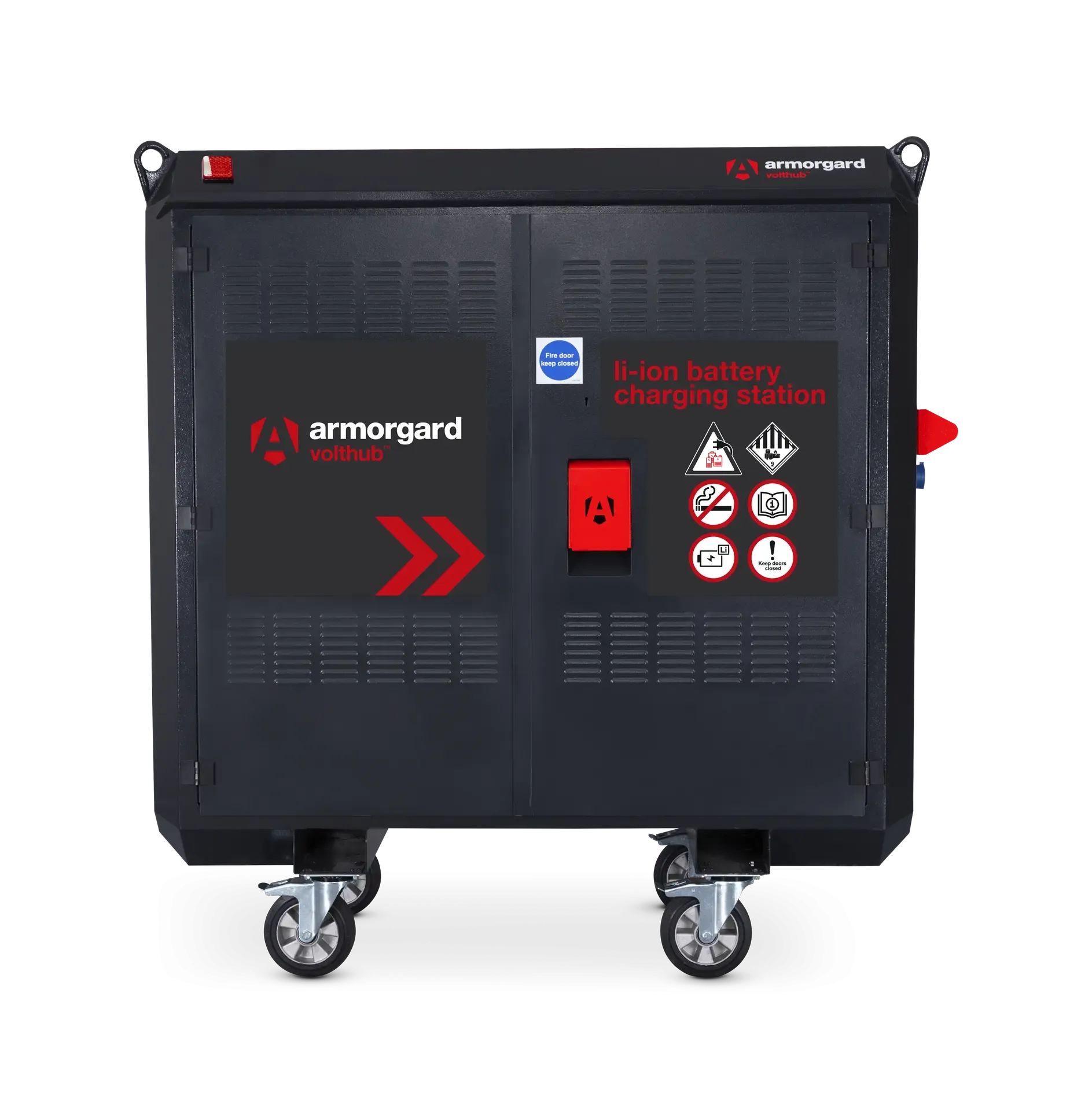
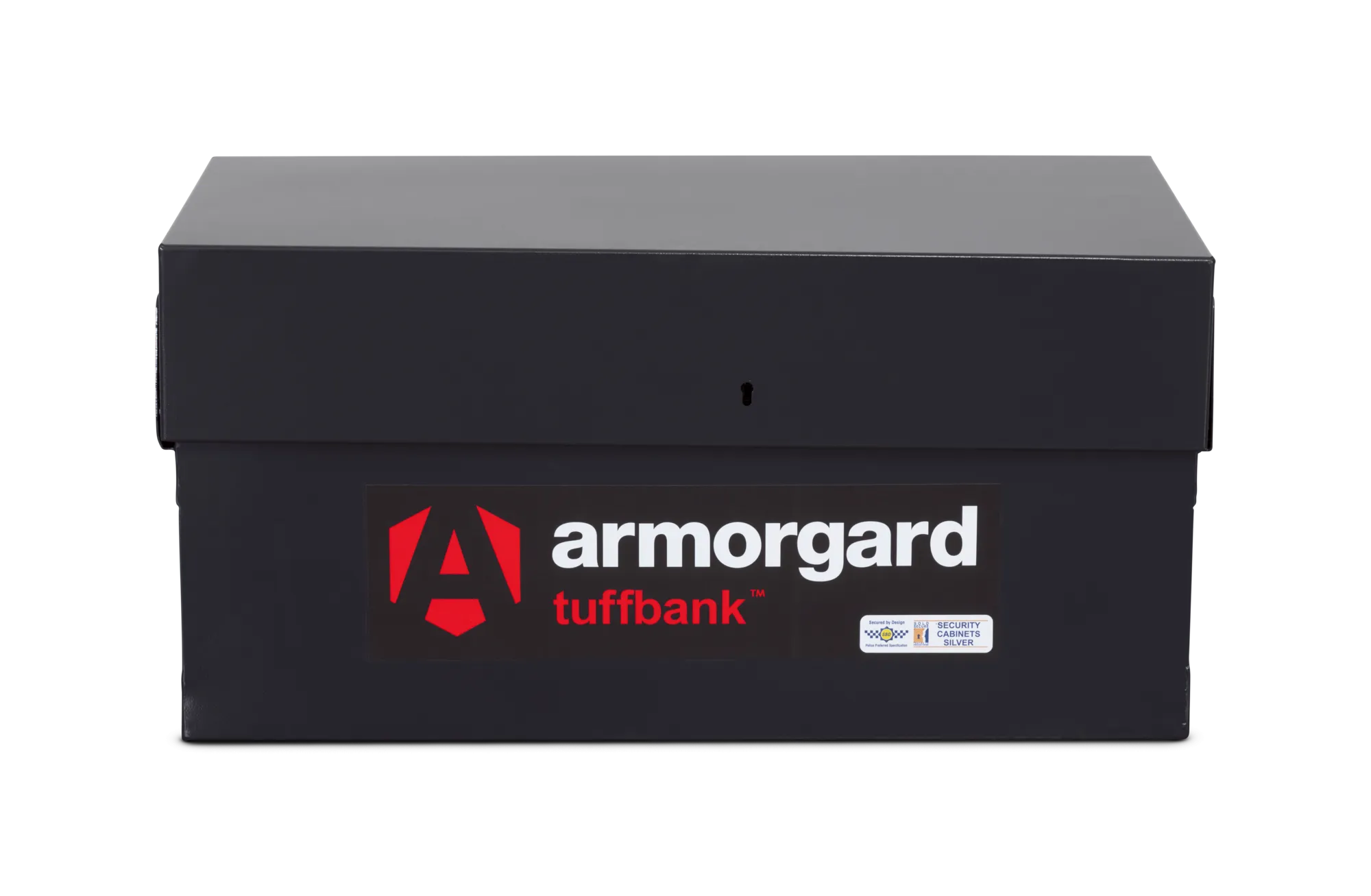
- Safe storage on site: Hazardous waste often needs to be held before collection. Using secure, COSHH-compliant storage keeps materials contained, prevents leaks, and reduces risks while the waste is waiting to leave the site.
- Regular audits: Review how hazardous waste is being stored and disposed of on-site. Audits help spot problems before they lead to breaches.
- Clear procedures: Have written policies in place so staff know what to do if they produce or come into contact with hazardous waste.
- Waste tracking: Keep a consistent record of all hazardous waste movements. This proves compliance and makes it easier to manage costs and processes.
Putting these practices in place helps ensure compliance, reduces risk, and shows commitment to environmental responsibility.
Conclusion
Managing hazardous waste is a legal and safety responsibility that no business can ignore. The right disposal process avoids fines, protects staff, and prevents environmental damage — but it starts with secure storage on site.
Armorgard designs COSHH-compliant storage that keeps hazardous materials contained until collection. From flammables to chemicals, our products reduce risk and support compliance.
View Armorgard’s COSHH storage range to put safe, compliant storage at the heart of your waste management process.